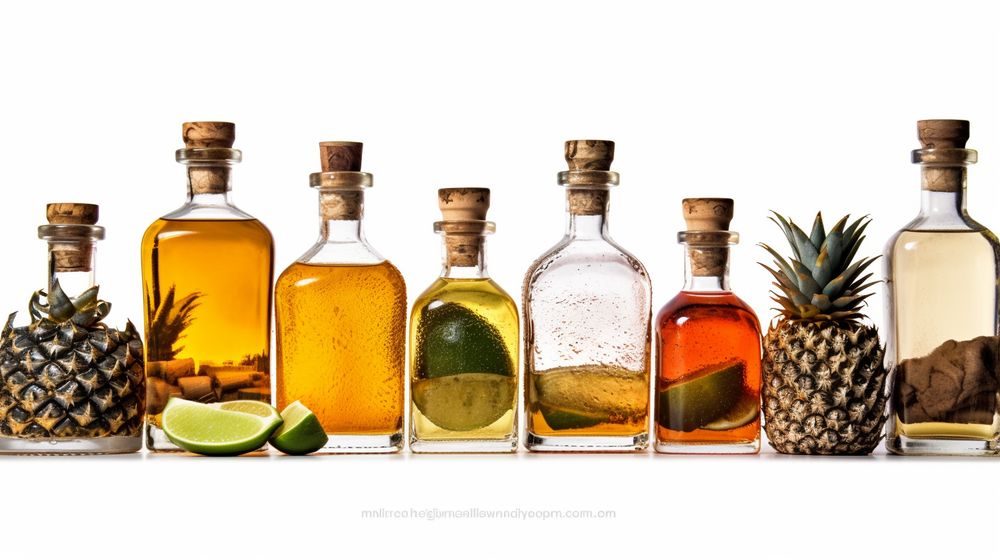
Explore the diverse world of tequila! Dive deep into the various types of tequila, from the crisp Blanco to the luxurious Extra Añejo, and discover the unique flavors and stories each bottle holds. Your ultimate guide to savoring this iconic spirit.
Beyond the Shot Glass: A World of Tequila Types
Ever gazed at the liquor shelf, baffled by the shimmering bottles labeled ‘Añejo’, ‘Reposado’, or ‘Blanco’?
Many mistakenly believe tequila comes in just two flavors: Gold and Silver.
Well, hang on to your sombrero, because we’re about to unveil the mesmerizing diversity of tequila types.
Get ready, as there’s more to this Mexican marvel than that quintessential shot you might’ve dared on a Saturday night!
What Defines a Tequila
It’s All About The Agave
First and foremost, for a liquor to wear the esteemed title of ‘Tequila’, it must be distilled primarily from the blue agave plant.
That’s right—not just any agave will do.
The blue agave, or Agave tequilana, stands out in the agave family and lends tequila its distinctive taste and character.
Location, Location, Location!
Think of tequila like champagne.
For champagne to be genuine, it has to come from the Champagne region of France.
Similarly, tequila must hail from specific regions in Mexico, primarily Jalisco.
This geographical limitation ensures that the spirit you’re sipping maintains its authenticity.
The Crafting Process
The way tequila is produced also plays a pivotal role in its classification.
Whether it’s being steamed or roasted, the methods utilized to extract the sugars from the blue agave heart significantly influence the final product’s taste.
The Gold Standard: The NOM Label
Ever noticed a label reading “NOM” followed by a number on your tequila bottle?
That’s the Norma Oficial Mexicana, and it’s kind of a big deal.
It certifies that the tequila you’re enjoying meets stringent Mexican standards.
Think of it as a badge of authenticity, ensuring you’re getting the real deal, not some imposter!
100% Agave: Why It Matters
Last but by no means least, let’s chat about the ‘100% agave’ label.
If your tequila bottle sports this tag, you’re in for a treat.
It signifies that your drink is crafted solely from blue agave sugars, with no additional sugars thrown into the mix.
This distinction can drastically elevate your tequila experience, offering a smoother taste and a richer flavor profile.
Intrigued?
Stick around as we dive deeper into the nuances of tequila classifications in upcoming sections.
Whether you’re a newbie or a seasoned aficionado, there’s always something new to learn in the riveting realm of tequila!
Blanco or Silver: Tequila in its Purest Form
Straight Out of Distillation
Blanco, often referred to as silver, is tequila in its most honest and unadulterated form.
Imagine taking the fiery heart of the blue agave plant and capturing its spirit immediately after distillation—that’s Blanco for you.
Without spending a moment aging in oak barrels, this variety is bottled straight away, ensuring you get a taste of the agave in all its untamed glory.
Crystal Clear with a Bold Agave Punch
Ever noticed how Blanco tequila is as clear as your favorite vodka? That pristine clarity mirrors its flavor—straightforward and robust.
If you’re looking to truly taste agave, Blanco won’t let you down.
With its fresh and sometimes peppery undertones, it’s a true embodiment of the blue agave plant’s raw essence.
The Go-to for Mixologists
Its potent agave profile makes Blanco a darling in the cocktail world.
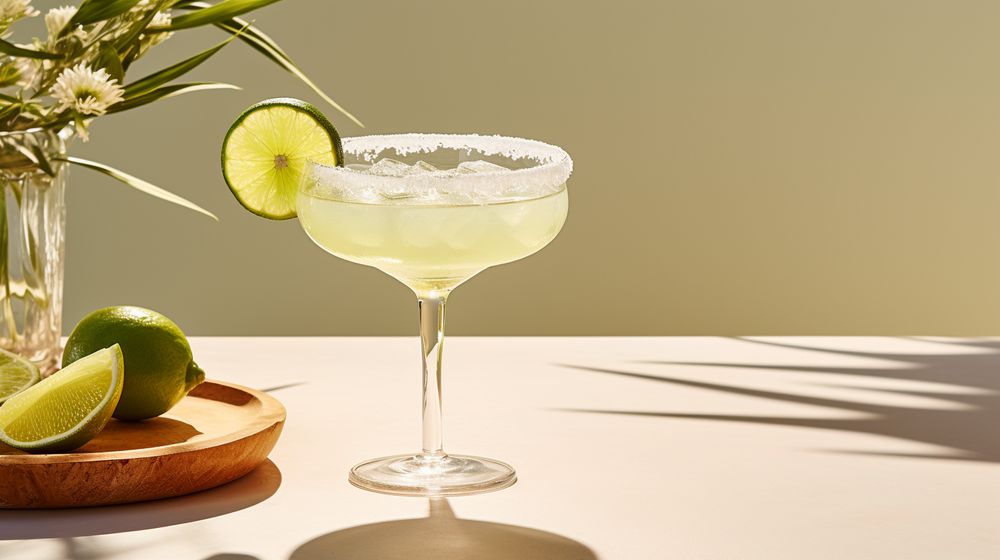
Whether you’re mixing up a classic Margarita or experimenting with a more avant-garde concoction, Blanco ensures that the soul of the agave shines through, no matter how elaborate your drink.
Joven or Gold: A Blend of Youth and Age
The Best of Both Worlds
Joven, translating to ‘young’ in Spanish, is a bit of an enigma in the tequila universe.
It’s a harmonious fusion of the raw energy of Blanco with the maturity of Reposado or other aged tequilas.
Think of it as the middle child, bridging the gap between the fresh exuberance of unaged tequila and the refined depth of its aged counterparts.
All That Glitters: The Golden Hue
Elegantly gold in appearance, Joven often owes its radiant hue to added colorings, such as caramel.
While purists might raise an eyebrow at this, there’s no denying that its golden allure makes it visually captivating, especially when the light hits just right.
Smooth Operator
Despite its youth, Joven tends to have a smoother palate compared to its Blanco sibling.
This makes it a crowd-pleaser, especially for those diving into the world of tequila shots.
While it retains some of the agave’s vibrant punch, the influence of aged tequila lends it a mellower edge, making each shot a journey of contrasting tastes and textures.
Reposado: The ‘Rested’ Middle Ground
Aging Gracefully, But Not Too Long
Meet Reposado, which means ‘rested’ in Spanish.
This tequila takes a brief, rejuvenating slumber in oak barrels, ranging from a short 2 months to just under a year.
It’s like the tequila version of a power nap, gaining character without losing its youthful vigor.
A Dance of Amber and Agave
Pour a glass of Reposado, and you’ll be greeted with a light amber hue, reminiscent of a cozy sunset.
As for the flavor, imagine the vibrant agave taste of Blanco taking a backseat, letting subtle hints of oak and the delicate dance of the aging process shine through.
It’s a balanced symphony of fresh agave meeting the earthy tones of wood, producing a harmonious middle ground.
The All-Rounder of the Tequila World
Because of its balanced profile, Reposado has found favor among both sippers and cocktail aficionados. Whether you’re enjoying it neat, letting each note play on your palate, or shaking it up in a refreshing cocktail, Reposado never disappoints.
Añejo: Diving into Depth and Complexity
Patience Pays: A Journey of Aging
Enter the realm of Añejo, a tequila that embodies the art of patience.
Aged meticulously between 1 and 3 years, Añejo is the result of time, craftsmanship, and passion.
It’s like watching a movie where every scene is crafted to perfection, taking you deeper into the plot with each sip.
A Feast for the Senses
In terms of appearance, Añejo boasts a deeper amber color, painting a picture of its time spent maturing in barrels.
Dive into its flavors, and you’re in for a treat—think rich notes of vanilla, the sweet embrace of caramel, and a sprinkle of spices.
The agave, while still present, has mellowed out, letting these mature flavors take center stage.
Calling All Whiskey Lovers!
Añejo’s complexity and depth often draw parallels to aged whiskies.
If you’re a whiskey enthusiast looking to dabble in tequila, Añejo might just be your gateway. Its layered profile offers a familiar complexity, making it a favorite among those who appreciate the finer nuances of aged spirits.
Extra Añejo: The Luxurious Sip
Aging to Perfection
Meet the grandmaster of the tequila world: Extra Añejo.
When tequila is allowed to age gracefully for over three years, often in the finest of oak barrels, it earns this prestigious title.
With each passing year, it absorbs more character from the wood, transforming into a liquid symphony of flavors.
Velvety Hues and Rich Tastes
Pour a dram of Extra Añejo and witness its enchantingly dark hue, reminiscent of centuries-old mahogany.
On the palate, it’s a velvety embrace, unfolding layers upon layers of flavors.
From deep chocolate notes to hints of dried fruits and even traces of tobacco, every sip is a revelation, making you yearn for the next.
A Premium Choice
Given its prolonged aging and the craftsmanship involved, Extra Añejo often finds itself on the higher end of the price spectrum.
But as any tequila connoisseur will tell you, it’s worth every penny. Perfect for special occasions or simply to indulge, it’s the epitome of luxury in the world of tequila.
Cristalino: The Clear-Aged Tequila
A Modern Twist on Tradition
The tequila landscape, rich in tradition, saw a relatively recent addition—say hello to Cristalino! A fascinating blend of the old and the new, Cristalino is where aged wisdom meets contemporary charm.
Aging Meets Filtration
Here’s the magic behind Cristalino: Take an aged tequila, usually an Añejo, and run it through a special filtration process to strip away its color.
The result? A tequila as clear as Blanco but with the soul of an aged spirit It’s like having your cake and eating it too!
Best of Both Worlds
For those torn between the vivacity of Blanco and the depth of Añejo, Cristalino offers a middle path.
You get the smoothness and maturity of an aged tequila, minus the color, making it incredibly versatile.
Whether you’re sipping it neat, on the rocks, or using it as the star ingredient in a cocktail, Cristalino ensures your drink shines with clarity and character.
So, there you have it—the vast and vibrant world of tequila, from the time-honored Extra Añejo to the contemporary Cristalino.
Each type tells a tale, waiting to be explored one sip at a time.
Pairing and Enjoying Different Tequila Types
Food, Friends, and Tequila: A Match Made in Heaven
Different tequilas shine when paired with the right accompaniment. For instance,
Blanco:
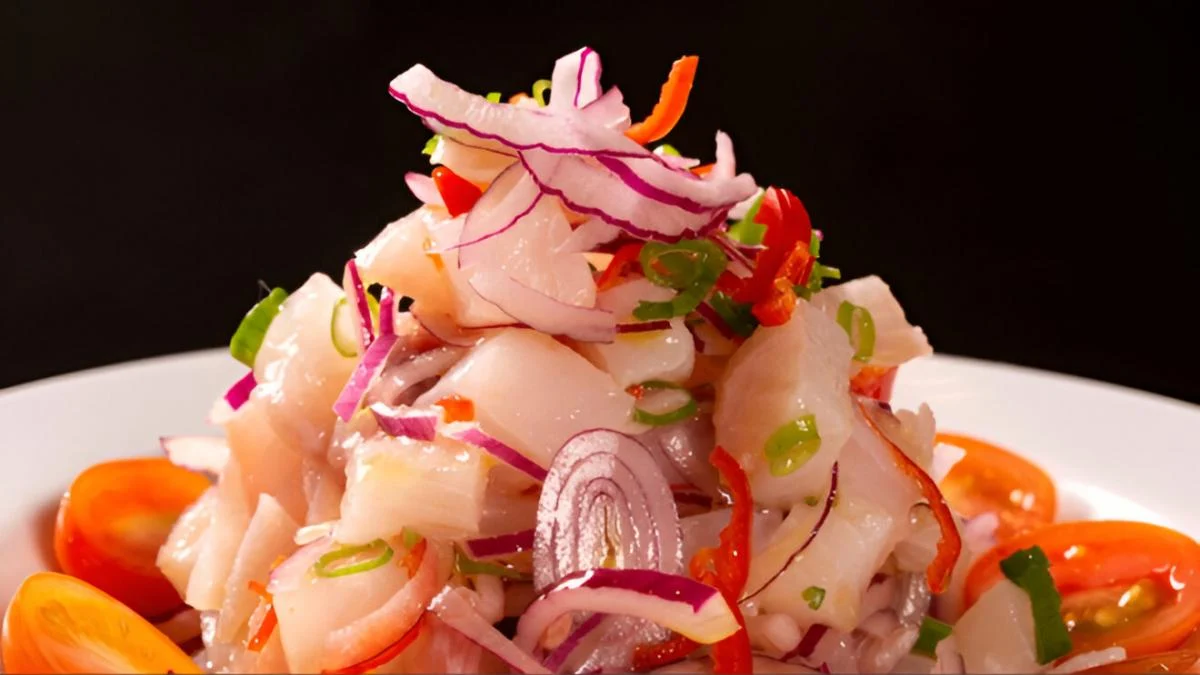
Its robust agave flavor pairs beautifully with fresh ceviche or guacamole, letting the natural flavors of the food pop.
Joven:
The mild sweetness of Joven goes hand in hand with spicy dishes, such as tacos al pastor or grilled jalapeños.
Reposado:
With its hint of oak, Reposado complements grilled meats or mole sauce, creating a harmonious dance of smoky and sweet.
Añejo:
Given its depth, think of pairing Añejo with rich desserts like chocolate fondue or flan. It’s a dessert course in itself!
Extra Añejo:
Given its premium nature, enjoy it with equally luxurious foods like seared foie gras or a sumptuous cheese platter.
Cristalino:
Being versatile, pair it with a seafood salad or even sushi rolls, letting the flavors intertwine.
The Right Glass Makes a World of Difference
Much like wine, tequila benefits from being sipped from the right glassware.
Blanco & Joven:
Opt for a stemmed glass that narrows at the top.
This allows the fresh agave aromas to concentrate, enhancing the sipping experience.
Reposado, Añejo, and Extra Añejo:
A wide-bowled snifter is ideal, as it lets the complex aromas breathe and unfold.
Cristalino:
Given its unique profile, a tall highball glass works wonders, whether sipping it neat or in a cocktail.
Savor, Don’t Shoot!
While tequila shots have their place in popular culture, the aged varieties are specially crafted for sipping.
Take a moment to relish each sip, letting the flavors play on your palate. Remember, good tequila tells a story—and it’s one best enjoyed one sip at a time!
Conclusion: A Tequila for Every Taste
From Silver Streams to Golden Dreams
The world of tequila offers a spectrum of flavors as diverse as the landscapes of Mexico.
From the unadulterated purity of Blanco to the luxurious depths of Extra Añejo, there’s a tequila waiting to serenade every kind of palate.
Beyond the Shot Glass
It’s essential to look beyond the commonly known tequilas. There’s a wealth of flavor profiles, stories, and traditions encapsulated in each bottle.
By exploring these varieties, you’re not just tasting a drink; you’re immersing yourself in a rich tapestry of culture and craftsmanship.
An Invitation to a Flavor Fiesta
So, as our tequila journey concludes, remember: the best tequila is the one you enjoy the most. Experiment, savor, mix, and match.
Find your favorite, be it for a quiet evening, a vibrant fiesta, or a gourmet dinner.
Navigating the Tequila Terrain: Frequently Asked Questions
What are the main types of tequila?
There are several primary classifications of tequila, each offering a distinct taste profile:
- Blanco or Silver: Unaged and bottled right after distillation, it provides a clear appearance and a robust agave flavor.
- Joven, or Gold: Is a mixture of Blanco with aged tequilas known for its golden hue, often from added caramel.
- Reposado: Aged between 2 months and just under a year in oak barrels, it has a light amber color and a balanced flavor.
- Añejo: Tequila aged for 1 to 3 years, showcasing a deeper amber color and rich flavors like vanilla and caramel.
- Extra Añejo: Aged for more than 3 years, it offers a luxurious taste and velvety texture.
- Cristalino: Aged tequila, usually Añejo, that’s filtered to be clear, combining the depth of aged tequila with the clarity of Blanco.
How is tequila different from mezcal?
Tequila and mezcal are both distilled from agave, but tequila is made specifically from the blue agave plant and primarily in the Jalisco region of Mexico.
Mezcal can be made from over 30 types of agave and is mostly produced in Oaxaca. Additionally, their production processes differ, giving them distinct flavor profiles.
Mezcal often has a smokier taste compared to tequila.
What does the “100% agave” label mean on tequila bottles?
A “100% agave” label indicates that the tequila has been made purely from the blue agave plant, without any additives or other sugars.
It’s a sign of higher quality, as some tequilas, especially those without this label, might be mixed with other sugars, leading to a different flavor and quality.
Why is aged tequila more expensive?
Aged tequilas like Añejo and Extra Añejo require longer storage in oak barrels, taking up space and resources.
The aging process also results in evaporation, known as the “angel’s share,” reducing the quantity available for sale.
Plus, the craftsmanship and nuanced flavor profiles of these tequilas command a premium price.
How should I best enjoy and savor my tequila?
To fully appreciate tequila, especially the aged varieties, it’s best to sip rather than shoot.
Using the right glassware enhances the experience.
For instance, Blanco and Joven are best served in a stemmed glass, while Reposado, Añejo, and Extra Añejo shine in a wide-bowled snifter.
Pairing tequila with suitable foods, like ceviche for Blanco or chocolate with Añejo, can also elevate the tasting journey.
Is Cristalino tequila just a clear version of Añejo?
Yes and no. While Cristalino starts as an Añejo, it undergoes a special filtration process to remove its color.
This results in a clear tequila that maintains the smoothness and maturity of an aged tequila but resembles a Blanco in appearance.
It offers a unique balance between aged depth and fresh clarity.